
Perfume Categories: How to Read Fragrance Families
Most people do not miss on perfume because they have bad taste. They miss because perfume categories flatten scents that wear very differently, so a family label gets mistaken for a promise. That is how someone buys a rose perfume expecting softness and gets patchouli-led drama, or chooses vanilla expecting dessert and gets dry woods, smoke, and musk instead.
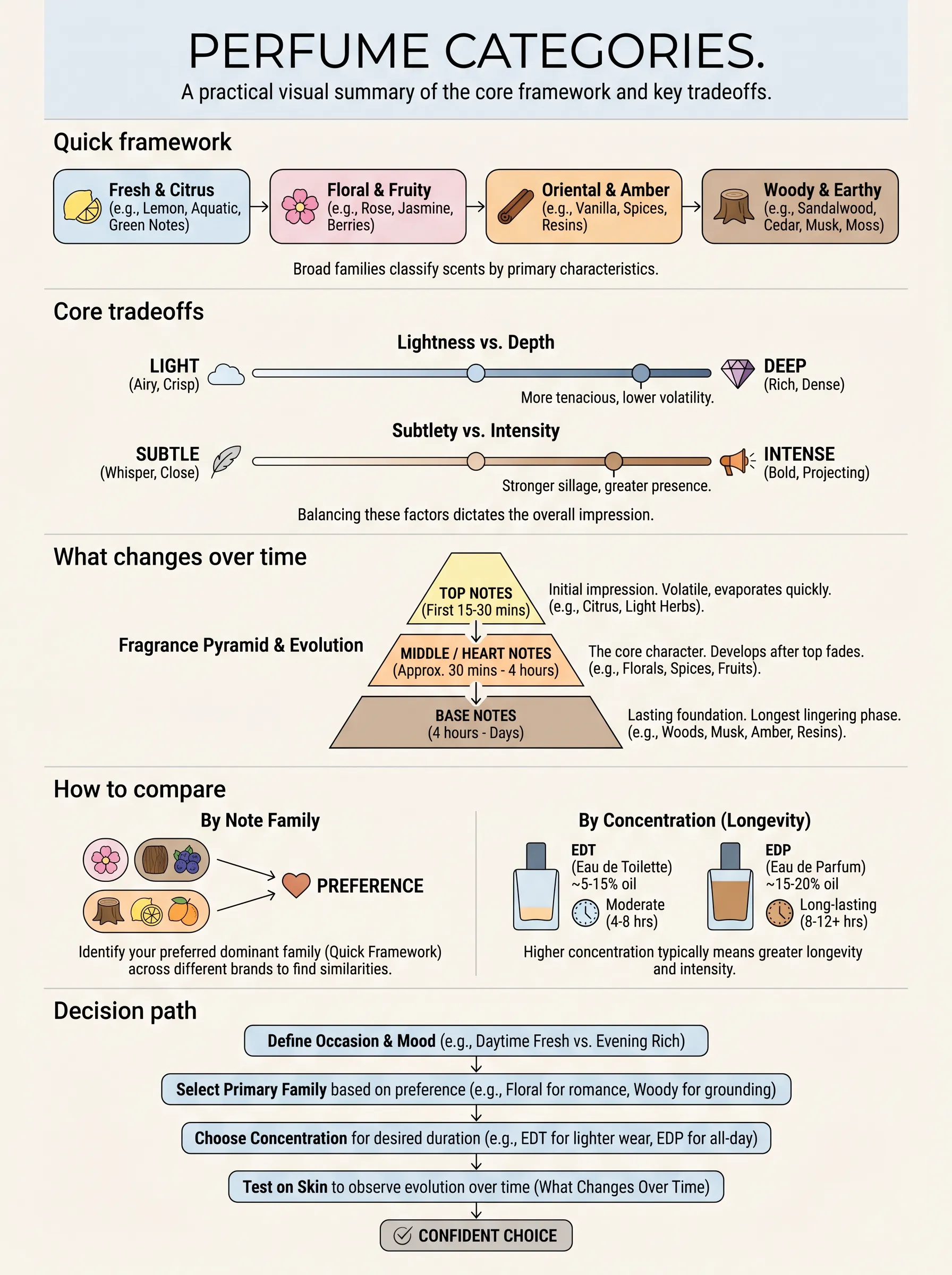
The fix is not to ignore perfume categories. It is to use them correctly. Floral, fresh, woody, amber, gourmand, aromatic, and hybrid styles are best treated as starting filters, then checked against the notes arc, the texture, and the format before you buy.
Once you know what notes can predict, what the fragrance wheel actually helps with, and where category language breaks down, better picks come faster. The practical payoff is simple: a tighter shortlist, fewer blind-buy mistakes, smarter use of testers and minis, and a clearer sense of why two perfumes that sound similar on paper can wear very differently.
Why perfume categories confuse shoppers and how to use them better
Perfume categories help people do one very practical thing: reduce chaos. A market with thousands of launches, flankers, prestige staples, oils, mists, and legacy classics becomes easier to read when scents are grouped into recognizable neighborhoods. Floral, fresh, woody, amber, gourmand, aromatic, chypre, fougere, leathery, fruity, and musky are not meaningless labels. They are just incomplete on their own.
The trouble starts when shoppers treat categories of perfume like guarantees. A category can tell you the broad direction of a composition, but it cannot promise texture, intensity, sweetness level, or the exact emotional effect a scent will create. A woody perfume may feel dry and pencil-shaving crisp, or creamy and velvety, or warm and ambered. A floral may feel translucent and tailored, or narcotic and voluptuous, or powdery and restrained. A gourmand may be edible and plush, or only lightly sweetened over a woody frame.
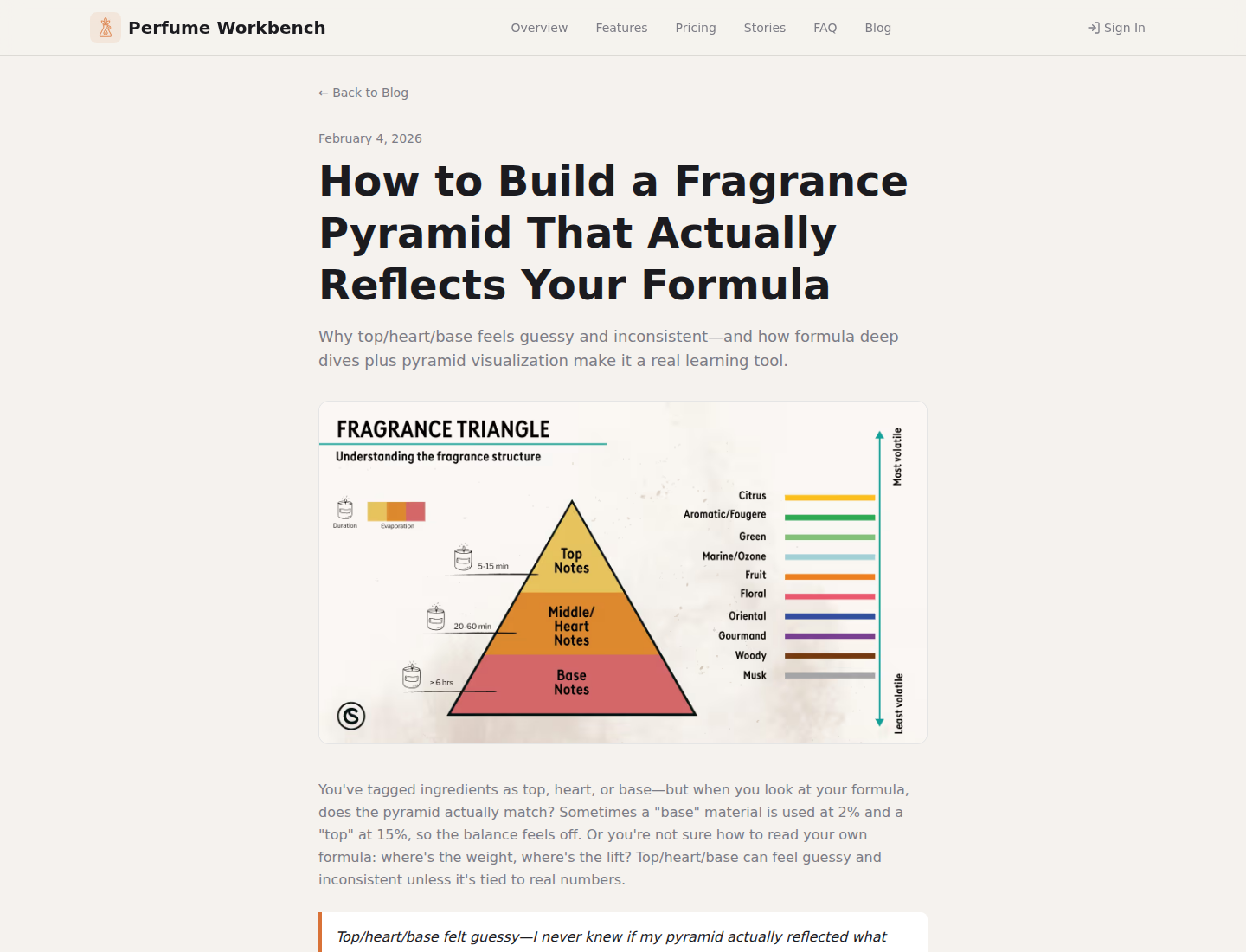
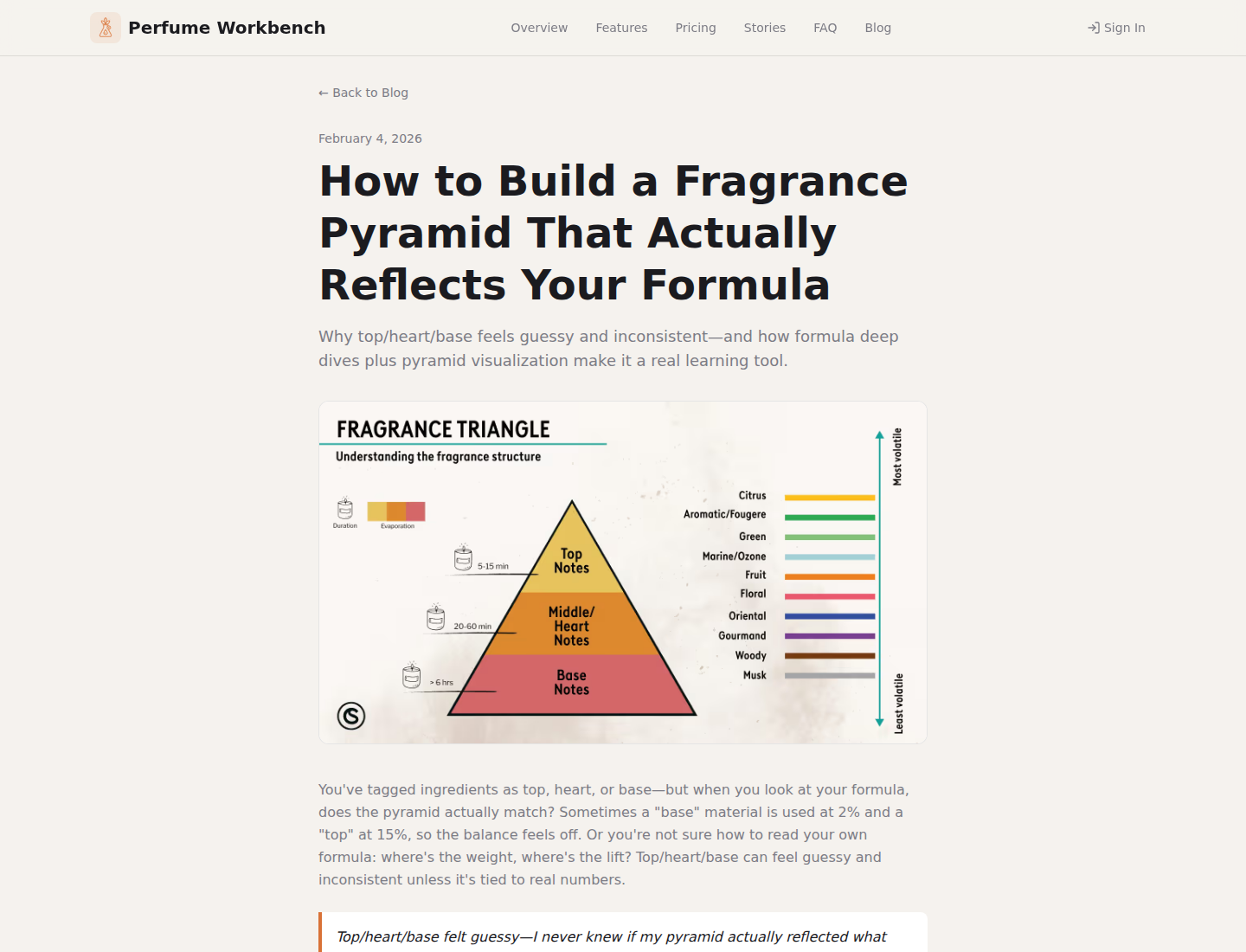
That gap between category and experience is not a flaw. It is built into how perfume works. Historical overviews of perfumery explain that perfume developed through materials, extraction methods, and evolving stylistic conventions rather than one rigid universal taxonomy, which is why family language is useful but never perfect (Britannica). Technical writing on fragrance pyramids makes a similar point from the formulation side: the pyramid is a presentation model meant to reflect the arc of a fragrance, not a forensic inventory of everything happening molecule by molecule (Perfume Workbench).
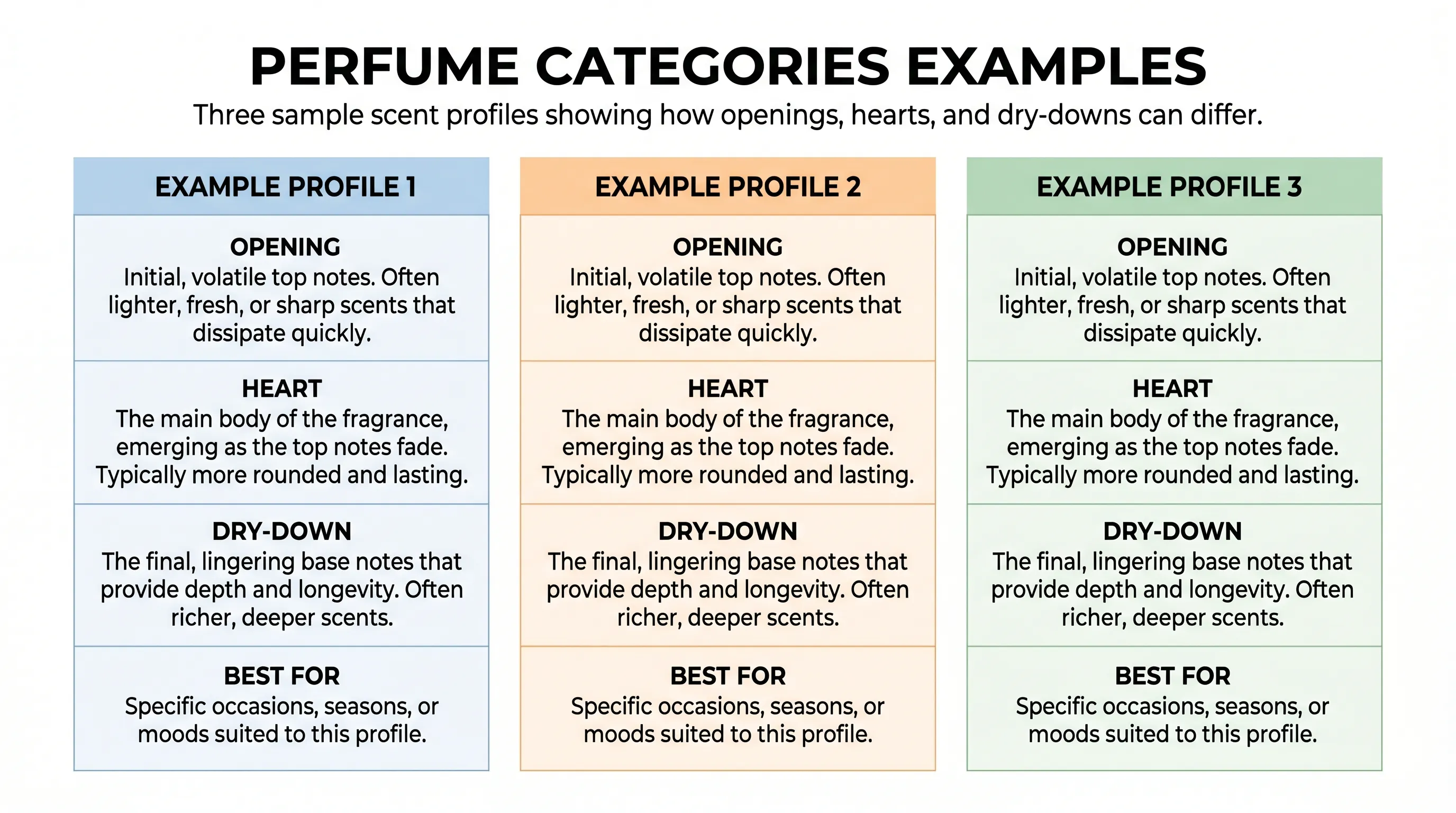
The practical solution is to stop asking a family label to finish the whole decision. Instead, read each perfume through four filters: family, structure, texture, and format. Family tells you the territory. Structure tells you how the scent moves from opening to drydown. Texture tells you whether it feels airy, creamy, powdery, sharp, syrupy, resinous, or smooth. Format tells you how boldly or softly that structure will show up in wear.
That changes how you should read perfume categories. Instead of asking, “Is this floral?” and treating the answer as the end of the decision, ask a sequence of more revealing questions. What kind of floral is it: dewy, powdery, creamy, green, rosy, indolic, airy, or aldehydic? If it is woody, what kind of wood effect shows up: cedar dryness, sandalwood cream, smoky oud, mossy depth, or polished amberwood radiance? If it is fresh, is the freshness coming from citrus, herbs, clean musks, aquatic effects, or green bitterness? Those questions move you from vocabulary to judgment.
This is why readers often say they dislike a whole fragrance family when the real truth is narrower. Someone who says they hate floral perfumes may actually dislike only dense white florals or powder-heavy vintage styling. The same person may love sheer rose, neroli, iris, or violet. Someone who says they want a woody fragrance may not want smoke or cedar at all. They may want creamy sandalwood, warm amberwoods, or a musky skin-scent structure that only borrows the language of woods.
It helps to separate category reading into three layers.
- Family: the broad territory, such as floral, woody, amber, fresh, or gourmand.
- Structure: how the perfume opens, settles, and dries down.
- Texture: how the fragrance feels in wear, such as crisp, creamy, sparkling, powdery, syrupy, resinous, airy, or smooth.
Texture is where many bad picks happen. Two perfumes may both live in amber territory, yet one feels bright, radiant, and sugar-lit while another feels balsamic, smoky, and heavy. They are related, but they are not interchangeable. One may fit a hot evening or an office with restraint. The other may work better in cold weather or for someone who wants a more enveloping aura.
The practical takeaway is not that perfume categories are unreliable. It is that they are early-stage filters. They narrow the shelf. They do not finish the decision. Once that correction lands, the rest of perfume shopping gets easier, because you stop asking a category to do work it cannot do and start reading the signals it actually gives you.
Source note: A note pyramid is an explanatory model and should not be treated as a perfect formula map or exhaustive prediction of how a fragrance will behave. Source: Perfume Workbench · How to Build a Fragrance Pyramid That Actually Reflects Your Formula
If you want to turn note reading into a real buying decision, check bottle size first with 3.3 oz to ml perfume. If the warm, resinous side of this guide is the part that actually sounds right, move into Arabian perfumes rather than another abstract notes list.

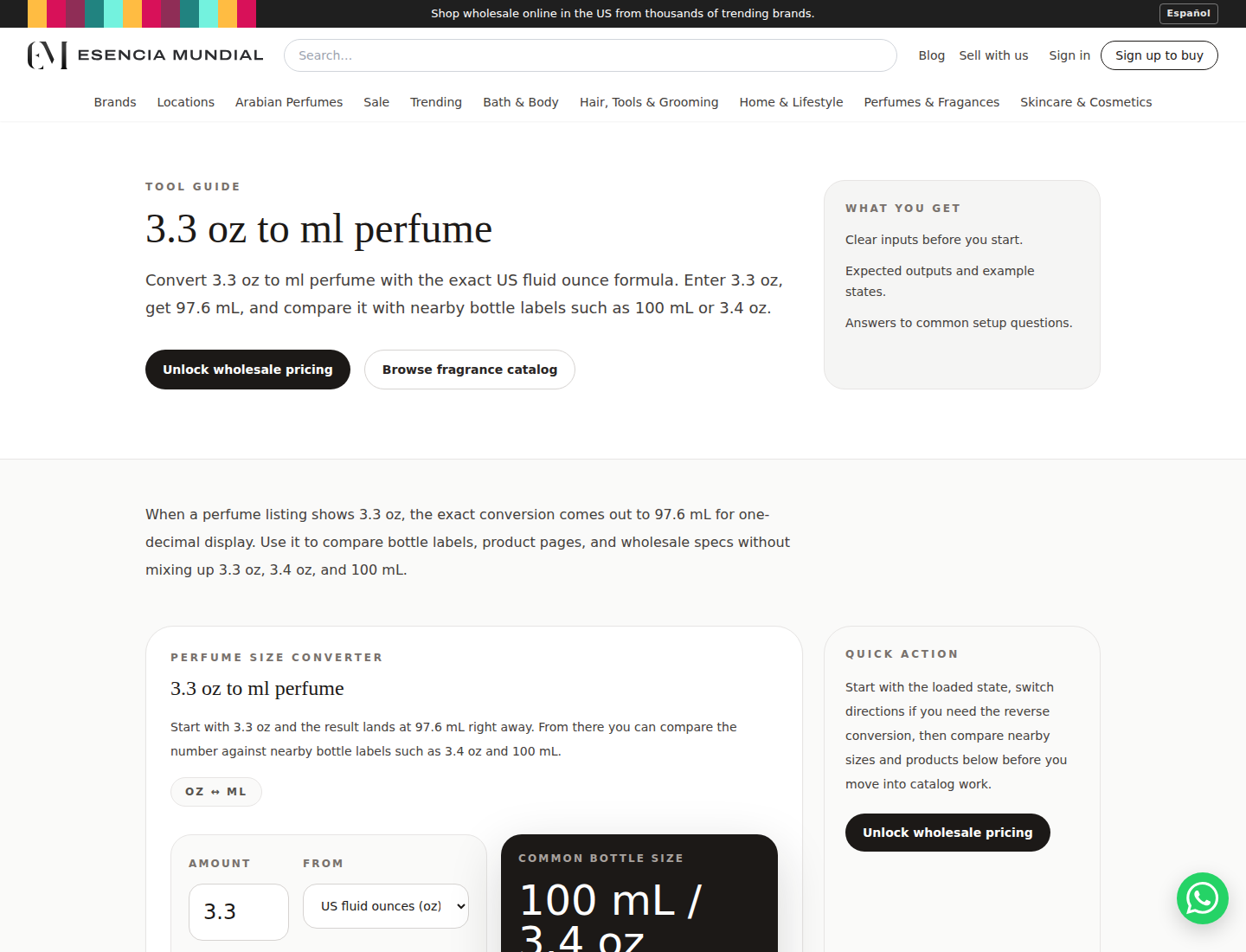
If the structure looks promising but you still do not trust the drydown, treat size as part of the risk. Compare common bottle sizes before you pay for more volume than your confidence justifies.
What fragrance notes actually tell you before you smell
Fragrance notes are not fake, but they are often read in the wrong way. A notes list is not a literal transcript of everything your nose will detect at equal volume. It is a consumer-facing summary of the scent’s development over time: what flashes first, what defines the center, and what lingers longest. CandleScience’s fragrance note glossary explains the classic top, middle, and base structure in simple terms, and that broad explanation remains useful because it reflects how scent development is communicated to end users (CandleScience).
The first thing notes can tell you is likely movement. Citrus, aldehydes, herbs, and certain fruits often suggest speed, lift, sparkle, or an immediate burst of freshness. Florals, spices, tea, coffee, violet, iris, and aromatic materials often help define the heart, which is where the scent usually feels most like itself. Woods, vanillas, musks, patchouli, resins, tonka, moss, leather, and oud often shape the base, which is where long-term fit is decided.
The second thing notes can tell you is tension. Bergamot plus vetiver suggests a different style of freshness than bergamot plus caramel. Rose plus patchouli behaves differently from rose plus violet musk. Coffee plus white florals reads differently from coffee plus tobacco or coffee plus dry cedar. Notes help you predict what forces are pulling against each other inside a perfume.
The third thing notes can tell you is texture. Vanilla does not always mean sugar. It can read creamy, balsamic, airy, toasted, dusty, or quietly warm. Musk does not always mean skin scent. It can smell fluffy, laundry-clean, metallic, powdery, soft, or sharply diffusive. Rose can be jammy, watery, velvety, spicy, or cool and tailored. A notes list will not tell you the exact shade, but it can tell you which material family is likely to create softness, brightness, bite, creaminess, or density.
The opening, heart, and base tell different buying stories. The opening matters most when first impression is the whole point. If you want a perfume for hot weather, quick freshness, social ease, or a bright public-facing effect, the top matters because it shapes the first few minutes to half hour of wear. Citrus, pink pepper, aldehydes, aromatic herbs, and watery fruit often dominate here.
The heart matters most when identity matters. If you want to know whether a fragrance is fundamentally floral, spicy, fruity, powdery, aromatic, or coffee-tinged once the excitement of the opening passes, the heart matters more than the launch impression. Rose, jasmine, iris, orange blossom, lavender, spices, fruit accords, and tea often define that middle phase.
The base matters most when you want to avoid regret. Many expensive disappointments happen because someone loved the top and never took the base seriously. Vanilla, amber, woods, patchouli, moss, tonka, oud, incense, musks, and resins often decide whether a scent remains elegant, turns too sweet, grows too dusty, gets too sharp, or becomes more comforting than expected.
Notes help you predict direction, not certainty. The scientific and technical literature matters here because it explains why time-based reading works. The review article *Perfume Engineering* discusses volatility, diffusion, and controlled release, which helps translate a simple truth into something practical: some materials are there to announce themselves early, while others are built to stay and shape the memory of the fragrance later (PMC).
That does not mean a notes list predicts the exact wearing experience with laboratory precision. It means notes are directional clues. They help you ask better questions before you buy. If you dislike sweet, do not ignore vanilla, praline, tonka, or syrupy amber in the base because the top looks beautifully citrusy. If you dislike powder, do not assume a fresh floral label will save you if iris, violet, or soft musks are clearly steering the core. If you dislike smoky depth, do not dismiss oud or incense as minor because the product photo looks clean and modern.
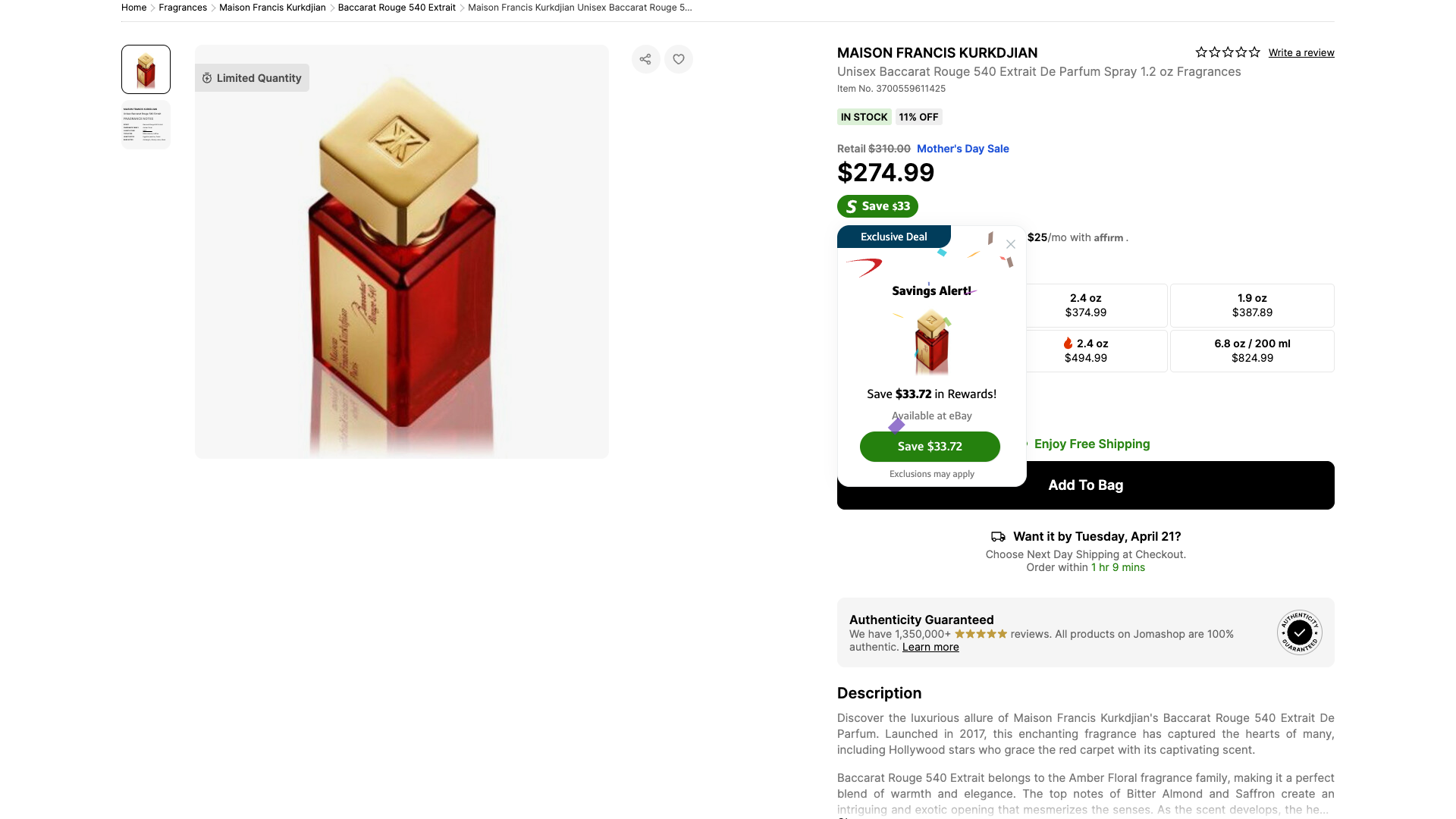
You can see that tension clearly in official product storytelling. The official Baccarat Rouge 540 page frames warmth and radiance without reducing the scent to simple sweetness. The official Black Opium Eau de Parfum page presents coffee, florals, and sweetness as sensual contrast rather than dessert literalism.
The practical shift is this: read notes as a story of movement. Do not read them like a recipe card. Once you make that adjustment, perfume categories become much more useful because the family tells you the neighborhood and the notes tell you the likely route through it.
Source note: A note pyramid is an explanatory model and should not be treated as a perfect formula map or exhaustive prediction of how a fragrance will behave. Source: Perfume Workbench · Fragrance Note Glossary - CandleScience
If you want to turn note reading into a real buying decision, check bottle size first with 3.3 oz to ml perfume. If the warm, resinous side of this guide is the part that actually sounds right, move into Arabian perfumes rather than another abstract notes list.
If the structure looks promising but you still do not trust the drydown, treat size as part of the risk. Compare common bottle sizes before you pay for more volume than your confidence justifies.
The fragrance wheel helps most when families blur into each other
The fragrance wheel remains useful because it shows adjacency, not purity. That is exactly what shoppers need. Most buying decisions are not about jumping from one perfectly sealed family to another. They are about moving toward neighboring territory after realizing the last purchase was close but not quite right.
Someone who says fresh perfumes disappear too quickly may not need to abandon freshness altogether. They may need to move one step toward aromatic woods or clean musks. Someone who finds straight gourmands too sugary may not need to give up warmth. They may need to move sideways into amber-woody or floral-amber structures where sweetness acts more like glow than dessert. Someone who thinks florals feel too formal may do better with sheer neroli, green rose, or musky iris than with creamy white flowers.
That is where the fragrance wheel earns its keep. It is less useful as a rigid school chart and more useful as a relationship map. It helps you understand why modern perfumery is full of scents that feel floral-amber, woody-gourmand, aromatic-citrus, fruity-musky, or amber-woody without those labels being contradictory.
The wheel also improves blind-buy triage. Imagine someone who likes the idea of marine freshness but has repeatedly disliked aquatic perfumes in practice because they turn sharp or synthetic in the late stage. The wheel suggests nearby alternatives: citrus aromatic, green herbal, or soft musky fresh. That is not theoretical. It changes what you shortlist.
The same logic helps with richer families. If you think you want oud because you want something deeper and more distinctive than standard department-store freshness, the wheel can stop you from going straight to the darkest possible option. You may prefer saffron-amber, rose-oud with softness, or a warm concentrated oil instead of smoke-heavy leather and resin.
Another reason the wheel matters is that it helps explain why debates about perfume categories often sound unproductive. One person describes a scent as woody, another insists it is amber, another says it is sweet, and all three may be right. They are looking at different parts of the same structure. The wheel helps you see those overlaps rather than treating them as errors.
If you are using fragrance families to shop rather than study, the goal is not perfect categorization. The goal is better next moves. A wheel that nudges you toward the right neighboring territory is more valuable than a definition that sounds precise but does not help you choose.
If the opening works but the drydown still feels uncertain, start with tester options and keep 3.3 oz to ml perfume nearby before bottle size turns a small risk into a bigger one.
If the structure looks promising but you still do not trust the drydown, treat size as part of the risk. Compare common bottle sizes before you pay for more volume than your confidence justifies.
Why older labels and newer perfume categories often overlap
One reason perfume categories confuse shoppers is that the vocabulary itself has shifted over time. Some labels describe mood. Some describe structure. Some come from older classification systems. Others are newer retail-friendly substitutes. The result is that two people can use different category words for the same perfume and still be describing the same scent honestly.
Amber is the clearest example. Many shoppers still encounter older language around oriental perfumery, while many current editors and retailers prefer amber as the more useful modern description. In practice, both labels often point toward warmth, resins, sweetness, spice, balsamic depth, or a plush drydown, but the emotional picture they create can feel very different. Amber sounds cleaner and more wearable to some readers. Older terminology can sound heavier, more formal, or less specific.
The same problem shows up with fougere, chypre, aromatic, musky, and woody classifications. Fougere can sound technical until you translate it into lavender, herbs, coumarin, moss, and a barbershop-to-modern-clean spectrum. Chypre can sound intimidating until you explain that it usually signals contrast: brightness up top with mossy, patchouli, or earthy depth beneath. A musky perfume may be sold as fresh, clean, floral, or woody depending on what the retailer thinks will make the scent easier to understand.
This is why rigid category arguments rarely help a buyer. What matters is not winning the taxonomy debate. What matters is learning what kind of warmth, freshness, florality, or wood effect the perfume is actually building. Once you translate old and new labels back into texture and development, the overlap stops feeling contradictory.
That is also where category language becomes more practical. If a perfume is described as amber, amber-woody, floral amber, or gourmand amber, the smart next move is not to obsess over which label is perfectly correct. The smart move is to inspect the opening, the heart, and the base so you can tell whether that warmth will feel airy, syrupy, smoky, powdery, creamy, or resinous on skin.
If the structure makes sense but the blind-buy risk still feels high, start with mini sizes and keep the 3.3 oz to ml perfume tool open when bottle size becomes part of the decision.
Floral, fresh, woody, amber, and gourmand each hide several different personalities
Broad families remain useful, but only if you stop imagining that each one has a single personality. In real shopping, the family label gets you into the neighborhood and the sub-style tells you whether you will actually want to stay there.
Fresh is the clearest example. Many people say they want a fresh perfume when what they really want is one of four different things: sparkling citrus, aromatic cleanliness, watery lightness, or musky softness. Those are not the same. Citrus can be cheerful and sharp. Aromatic freshness can feel brisk and grown-up. Aquatic freshness can feel airy or synthetic depending on taste. Clean musks can feel elegant, understated, and skin-close rather than obviously sporty. A fresh opening also tells you less than people think. FragranceX’s consumer explainer makes that point simply: top notes create the opening impression, but the full fragrance identity only appears as the scent settles (FragranceX).
Floral is even more misleading when flattened. Floral can mean rosewater brightness, powdery violet, creamy white flowers, orange blossom glow, green stems, lipstick-like iris, dewy peony, or a formal bouquet structure. That is why a reader who has disliked “florals” may still love one specific floral profile once the texture changes.
Woody and amber are often treated as opposites, but contemporary perfumery blurs them constantly. Dry cedar, creamy sandalwood, radiant amberwood, mossy depth, leathery wood accords, and resin-backed amber can all appear under woody or amber umbrellas depending on emphasis. A so-called woody perfume may smell smoother and sweeter than an old-fashioned amber. A so-called amber may smell cleaner and brighter than a smoky cedar scent.
Gourmand may be the most misunderstood category of the last decade. People often hear gourmand and think juvenile, cupcakey, or loudly edible. Sometimes that is true. Often it is not. Modern gourmand language can point to coffee bitterness, toasted sweetness, praline warmth, vanilla cream, cacao shadow, milky softness, liquor depth, or a single edible accent woven into an otherwise floral or woody structure.
Fresh often wins the first hour while woody and amber decide the relationship. This is one of the most useful corrections for buyers. Fresh categories win quickly because they are legible fast. Citrus, herbs, and airy openings make an immediate case for themselves. Woody and amber bases decide whether the relationship lasts. A scent that starts bright and casual can dry down into sharp amberwood, sweet vanilla-musks, or dusty woods that shift the whole impression. If you have repeatedly loved perfumes at first spray and disliked them after an hour, this is probably the structural pattern behind that disappointment.
Gourmand and floral often trade places in ways shoppers do not expect. Another common surprise is that the label you think will dominate may not dominate emotionally. A perfume sold as gourmand may owe much of its elegance to a floral heart. A perfume sold as floral may feel sweeter than a gourmand because its base is saturated with vanilla, patchouli, or amber. This matters because shoppers tend to self-exclude too early. Many people who say they do not like gourmands may actually dislike literal pastry sweetness but still enjoy coffee-floral or amber-vanilla structures. Many people who say they only like florals may find themselves happier in floral-amber territory than in petal-focused perfumes.
A live first-party example helps ground this point. Maison Francis Kurkdjian Feminin Pluriel EDP 2.4 oz works as a reading exercise precisely because the family label alone does not tell you whether the floral profile will feel sheer, polished, classical, powdery, or richly blooming. You need to think in texture and silhouette, not just family.
Another practical internal step belongs here too. When you are no longer deciding between abstract families but between actual scent territories, Perfumes & Fragrances becomes more useful than definitions alone because it lets you compare real options once you know whether you want freshness, warmth, softness, or depth.
Compare Maison Francis Kurkdjian Baccarat Rouge 540 2.3 Fl Oz EDP, Arabian perfumes.
To test this against the live catalog: When you know the scent territory you want, browse perfumes and fragrances with a tighter eye for structure, texture, and format..
A practical way to read a perfume description before you buy
Reading a perfume description gets easier when you stop asking whether it sounds appealing and start asking what evidence it gives you about the wearing arc. That is the shift from marketing language to useful interpretation.
1. Start with the family claim, but treat it as the opening frame only. If the perfume is described as floral, woody, amber, fresh, or gourmand, note the family without assuming the case is closed. 2. Read the top for speed and brightness. Citrus, aldehydes, pink pepper, green notes, or watery fruits often suggest a quick, visible opening. This tells you how the fragrance introduces itself. 3. Read the heart for identity. Florals, spices, coffee, tea, iris, fruit accords, or aromatic herbs usually tell you what the scent will feel like once the first burst has settled. 4. Read the base for commitment. Vanilla, woods, patchouli, amber, moss, tonka, musk, oud, leather, and resins often decide whether the perfume becomes comforting, sharp, sweet, smoky, dry, or enveloping. 5. Look for contrast. Bright top plus dark base often means drama. Creamy floral over clean musks often means polish. Sweet accents over dry woods often mean balance rather than dessert. 6. Translate the structure into a setting. Ask where it sounds most at home: hot daytime wear, cool office, evening outing, close-contact setting, travel atomizer, ritual wear, or a signature scent slot. 7. If the opening sounds easy but the base looks risky, lower the cost of uncertainty instead of forcing confidence you do not actually have.
Here is a compact matrix that turns that reading method into a faster comparison tool:
| Signal in the description | What it usually suggests | Buying implication |
|---|---|---|
| Citrus, bergamot, neroli, aldehydes in top | Fast lift, sparkle, visible first impression | Great if freshness matters; verify the base if you dislike sharp drydowns |
| Rose, jasmine, iris, orange blossom in heart | Identity sits in the floral body | Compare whether the floral style sounds airy, powdery, creamy, or rich |
| Vanilla, tonka, patchouli, amber, woods in base | Warmth, persistence, late-stage character | Do not buy on opening alone; the base will decide long-term fit |
| Coffee, praline, cacao, liquor facets | Gourmand pull, darker sweetness, sensuality | Better for readers seeking mood and richness than pure freshness |
| Oud, incense, saffron, resin, oil format | Slower development, density, ritual depth | Test in a smaller format first unless you already love richer wear |
| Clean musks, soft woods, tea, airy florals | Lower-friction elegance, versatile wear | Strong shortlist candidates for office, travel, or gifting |
You can make this even more practical with a simple scoring pass:
- Opening appeal: How likely are you to enjoy the first thirty minutes?
- Heart fit: Does the central theme match what you actually like wearing?
- Drydown risk: Do the base materials include a pattern you often dislike?
- Context fit: Does this sound right for the situations where you would use it?
- Format confidence: Do you trust this enough for a full bottle, or would a smaller format be smarter?
That is a better method than reading a perfume description as pure mood writing. It gives you a repeatable structure without pretending that perfume can be solved like math.
Once the shortlist is down to a few options and bottle sizes start muddying the comparison, 3.3 oz to ml perfume is a practical checkpoint. Bottle math sounds minor until you are comparing testers, minis, travel sizes, and standard bottles across different houses.
Compare Khadlaj Perfumes Khadlaj Haneen Gold Concentrated Oil Unisex 0.67 oz, tester options.
Four named perfumes show why notes lists can mislead and still help
Abstract rules become easier to trust when they survive contact with real products. These four examples matter because each one proves a different limit of category reading and a different kind of value.
Baccarat Rouge 540 is useful because it shows how an amber-woody framing can mislead shoppers who imagine something dense, dark, and resin-heavy. The official Maison Francis Kurkdjian product page presents it as a luxury composition with recognizable structure, while the public-facing Fragrantica listing shows how the scent is commonly categorized and discussed at scale. The lesson is not that public databases replace primary sources. It is that you can see the gap between family language and lived impression. Many shoppers hear amber-woody and picture warmth with shadow. What they actually experience is often brighter, sweeter, and more radiant than expected. The opening feels more luminous than thick, the heart carries a polished abstract sweetness, and the drydown proves that warmth can project without reading conventionally heavy. This is a useful case for readers who want memorability and diffusion without the velvet curtain feel of darker ambers.
Black Opium Eau de Parfum proves a different point. On paper, it is easy to reduce it to coffee and vanilla. That shorthand is not false, but it is too blunt. The official YSL Beauty product page is useful precisely because it shows how the brand frames sensuality through contrast rather than through one-note sweetness. The opening has enough bite and movement to announce itself clearly, the heart keeps the fragrance from collapsing into edible literalism, and the drydown turns the composition into something plush and darkly inviting rather than bakery-simple. For a buying decision, that means two opposite mistakes become possible. Someone who avoids gourmands completely may skip a perfume they would actually enjoy because the floral engine keeps it polished. Someone who wants a pure dessert fragrance may buy it and find it more perfumey and structured than expected.
Maison Francis Kurkdjian Feminin Pluriel, as surfaced through the live catalog listing at Esencia Mundial, is valuable because it reminds shoppers that floral does not mean simple. Prestige floral perfumery often depends on balance and silhouette more than on obvious sweetness or volume. A floral can feel tailored, cool, powder-soft, polished, or quietly radiant depending on how the flowers are staged against musks, woods, or powdery materials. The opening matters less here than the composed middle. The heart is where the fragrance makes its case, and the drydown matters because it tells you whether the floral finish feels clean, powdery, creamy, or softly musked. The buying lesson is that readers who want a refined floral should stop shopping by the word floral alone and start shopping by texture.
Khadlaj Haneen Gold Concentrated Oil matters because it expands the conversation beyond family into medium. This is not a decorative example. Concentrated oil changes the pace of wear. The opening is often softer, the heart can feel more intimate, and the drydown may stay closer to the body while unfolding more gradually than a typical spray. That shifts how amber, oud, rose, saffron, woods, or resins are experienced. A shopper who wants presence without an alcohol-bright top may find that oil format changes the entire equation. A shopper who wants loud immediate throw may find the opposite.
Put those four examples beside each other and a clearer reading pattern emerges.
| Perfume | What the family label suggests | What the structure actually proves | Better buying takeaway |
|---|---|---|---|
| Baccarat Rouge 540 | Amber-woody warmth | Bright radiance and abstract sweetness can outweigh darkness | Good for shoppers who want memorable projection without heavy resin feel |
| Black Opium EDP | Gourmand darkness | Floral lift and structure keep sweetness from becoming literal dessert | Better for readers who want warmth with shape, not just sugar |
| Feminin Pluriel | Floral elegance | Texture and balance matter more than floral as a generic label | Good for readers seeking a polished floral silhouette rather than bouquet volume |
| Khadlaj Haneen Gold Oil | Rich Arabian depth | Format slows the arc and changes how richness is perceived | Better tested when you want intimacy, smoothness, and slower development |
These are mini case studies in how to read opening, heart, base, and format together. That is why named examples matter. They give shape to a principle that would otherwise stay abstract.
Compare (12-pack) Blest Hair & Body Fragrance Mist, mini sizes.
Real shopping scenarios reveal more than category definitions alone
Most perfume decisions are not made in a vacuum. People buy for weather, schedule, mood, budget risk, travel habits, and the role they want one bottle to fill. That is why realistic situations teach more than a stack of definitions.
Take the person who wants one easy daytime scent for warm weather. They often say they want something fresh. But freshness still needs translation. Do they want sparkling citrus that feels immediately clean? Aromatic freshness with herbs and bite? Soft musky freshness that stays close and polished? Or watery brightness that feels casual and light? Each version leads to a different shortlist. If they routinely dislike what happens after the first bright spray, they should read the base harder than the family label.
Now take the person who wants evening warmth without smelling like dessert. They may say they dislike gourmands. Often what they actually dislike is literal pastry sweetness. An amber-woody or floral-amber perfume with vanilla, tonka, or soft resins may give them the comfort and warmth they want without feeling edible. This is a much better match than forcing themselves into dry woods just because they fear sweetness.
A third scenario is the shopper drawn to cultural hype. They know the names Baccarat Rouge 540 and Black Opium. They want something memorable, but they do not want to spend prestige money on a bad fit. This is where format becomes strategy. If the structure looks promising but the base still feels uncertain, tester options are the rational move, not a timid one. Testers are how you protect yourself from the seductive power of top notes.
A fourth scenario is the person who loves florals but keeps getting the wrong floral. They buy based on category, then discover they wanted powder and got cream, or wanted dew and got opulence. This is where a catalog example like Maison Francis Kurkdjian Feminin Pluriel EDP 2.4 oz becomes useful as a live comparison surface. It helps readers focus on silhouette and tone rather than the family word alone.
A fifth scenario is the reader drawn to deeper styles because mainstream freshness keeps feeling thin or forgettable. That is the moment where browsing Arabian fragrances makes more sense than rereading generic category descriptions. A category filter like that nudges the shopper toward richer oils, darker amber structures, oud-led styles, saffron warmth, and more ceremonial pacing.
A sixth scenario involves a different goal altogether: not a signature perfume, but light scenting, refreshment, or layering. The product context around Blest Hair & Body Fragrance Mist is valuable here because it shows that not every fragrance purchase is about classic full-profile perfume wear. A hair and body mist solves a different problem. It offers scent presence with lower commitment and a different expectation for development. That matters because people often confuse scent category with concentration category. They are related but not identical.
A quick scenario table makes those tradeoffs easier to see.
| Situation | Better starting family or format | What to watch for |
|---|---|---|
| Hot weather everyday wear | Citrus, aromatic, green, soft musk | A sweet or sharp base can undo the freshness you wanted |
| Evening warmth without dessert effect | Amber-woody, floral-amber, soft gourmand | Too much praline or syrup if overt sweetness bothers you |
| First prestige blind buy | Clean floral-musks, balanced woody ambers | Complex oud or strong patchouli if you are not already confident |
| Formal floral with polish | Rose, iris, violet, musky floral | Tropical white floral if you want restraint over drama |
| Deeper ritual-style wear | Arabian oils, oud, saffron, resinous amber | Expecting a sparkling top from a dense oil-based structure |
| Light refreshment or layering | Hair mist, body mist, soft musk | Expecting eau de parfum persistence from a lighter format |
The official Baccarat Rouge 540 and Black Opium product pages are especially useful here because they let you compare how brands frame notes, mood, and intended effect. That side-by-side reading makes it easier to separate category language from actual structure.
Compare (6-pack) Blest Hair Dye Shampoo Red, Perfumes & Fragances.
Format changes the category story more than most shoppers realize
Format is not an afterthought. It is part of the category story because it changes how a scent enters, develops, and fits into a real life.
Concentrated oils often soften the initial burst and create a smoother, closer aura. That makes them especially relevant in richer families where depth, ceremony, and slow unfurling are part of the appeal. Khadlaj Haneen Gold Concentrated Oil is useful here not simply as an Arabian example, but as a reminder that medium affects perception. A rich rose, amber, oud, or saffron profile in oil form may feel less alcohol-sharp, more intimate, and more gradual in the way it reveals itself.
Minis change the equation in a different way. They do not change the formula, but they change the risk profile and the way a shopper commits. If the category is right and the drydown is the only uncertainty, a mini is a rational bridge between curiosity and confidence. That is why mini formats belong in the conversation long before the checkout stage.
Testers sit in the same practical zone. They are not only a price tactic. They are a way to protect yourself from category overconfidence. If a perfume sounds perfect on paper but includes one base note pattern you historically dislike, a tester makes it easier to let reality correct the fantasy.
Hair and body mists deserve mention because they remind readers that kinds of perfumes include lighter scent formats built for refreshment, layering, and casual use rather than high-drama drydown narratives. That matters in real shopping because people often ask for “a perfume” when what they actually want is gentler scent presence, easier reapplication, or a format that feels less formal.
A practical format ladder looks like this.
- Full bottle: best when the family, structure, and drydown profile already align with your preferences.
- Tester: best when the structure looks good but one major note or base pattern still worries you.
- Mini: best when you want repeated wears in different settings before committing.
- Oil: best when you prefer smoother evolution, closer wear, or richer ceremonial styles.
- Mist: best when freshness, layering, and low-commitment scenting matter more than complex late-stage development.
Once you see format this way, the commercial bridge becomes more useful and less forced. If the notes look promising but the base is still a gamble, go to the format that lowers risk. If the family sounds right but you want more richness and intimacy, move toward oils or deeper families. If you want refreshment rather than perfume theater, choose the lighter format on purpose.
From here, continue with Maison Francis Kurkdjian Feminin Pluriel EDP 2.4 oz, more fragrance guides on our blog.
The mistakes that usually create bad perfume picks
Most perfume mistakes are not random. They follow recognizable reading errors, and once you can name them, you start avoiding them.
The first mistake is buying for the opening only. Bright citrus, juicy fruit, pink pepper, and airy aldehydes create instant attraction. If you stop there, you are letting the shortest stage of the perfume make the whole argument. That is how people end up shocked by patchouli, sweetness, musk, or sharp amberwood later.
The second mistake is reading notes literally instead of relationally. Vanilla does not always equal dessert. Rose does not always equal romance. Oud does not always equal smoky intensity. Musk does not always equal subtle skin scent. A note changes its effect depending on what surrounds it and how strongly it is presented.
The third mistake is treating a fragrance family as a mood guarantee. Fresh does not always mean office-safe. Gourmand does not always mean playful. Floral does not always mean soft. Woody does not always mean stern or masculine. The family is only the starting frame.
The fourth mistake is ignoring format. A concentrated oil, a body mist, a mini, a tester, and a full bottle do not solve the same problem. If you are uncertain, the solution is not to pretend certainty. The solution is to choose the format that matches your confidence level.
The fifth mistake is using bottle math too early. A larger bottle may be the better price per milliliter, but that advantage is meaningless if the base irritates you after an hour. Bottle size matters after fit, not before. That is why a tool like 3.3 oz to ml perfume is useful once the shortlist is real, not at the start when the scent profile is still unresolved.
The sixth mistake is overexplaining wear through pseudo-technical skin chemistry myths. Real wear variation exists, but it is not the only reason people get perfume wrong. The more dependable explanation is structural. Many disappointments can be traced to ignoring the base, misreading a family label, or confusing texture with note names.
The seventh mistake is outsourcing judgment to popularity. A famous perfume can still be wrong for you. Cultural dominance is not the same as fit. Baccarat Rouge 540, Black Opium, and other widely recognized names are useful examples because they show how a strong public reputation can make shoppers less disciplined about reading structure.
The eighth mistake is stopping at “I like floral” or “I like woody” instead of refining preference. Good perfume shopping gets easier the moment you learn to say something narrower and more revealing: “I like airy florals but not creamy ones,” “I like warm scents but not edible sweetness,” “I like woods when they feel smooth rather than smoky,” or “I like fresh perfumes if they stay soft in the base.”
Historical and technical sources keep reinforcing the same practical truth: perfume unfolds over time, and materials behave differently according to volatility and persistence, so first impressions can mislead when structure is ignored.
From here, continue with Maison Fk Baccarat Rouge 540 1.2 Unisex France 27pcs Bybox Unisex EDP, more fragrance guides on our blog.
When two perfumes sound similar on paper, compare silhouette before notes
This is the moment where many shoppers lose confidence. Two perfumes both sound warm. Two both mention jasmine, vanilla, woods, or musk. Two both sit near amber or floral-amber territory. The notes lists start to look interchangeable, and buying turns into guesswork.
The fix is to compare silhouette before note repetition. By silhouette, think of the shape the perfume makes in wear. Is it bright and expanding, soft and close, creamy and steady, dark and plush, dry and linear, or sparkling before it settles into warmth? That shape matters more than a shared note or two.
Start with four questions.
1. Which one has the brighter top? 2. Which one has the clearer heart identity? 3. Which one has the riskier base for your taste? 4. Which one offers a safer format if you are still unsure?
Imagine a shopper choosing among Baccarat Rouge 540, Black Opium, Feminin Pluriel, and Khadlaj Haneen Gold Oil.
If the shopper wants projection, modern radiance, and a warm scent that does not feel thick, Baccarat Rouge 540 becomes the clearest candidate because its silhouette is expansive and light-filled rather than plushly dark. The opening reads brighter than many amber labels imply, the center sustains an abstract sweet warmth, and the drydown proves that memorability does not have to come from heaviness.
If the shopper wants a darker and more sensual structure with obvious warmth but still enough shape to avoid literal dessert territory, Black Opium moves ahead. Its opening grabs quickly, its heart keeps the composition from turning one-dimensional, and the drydown resolves into a richer, moodier form of comfort than a purely airy amber-woody scent would.
If the shopper wants floral polish more than cultural hype, Feminin Pluriel becomes the smarter answer. Its value is not that it is “a floral.” Its value is that the heart-led identity and refined drydown answer a different problem: elegance, composition, and a more tailored floral silhouette.
If the shopper wants richness with intimacy, smoother wear, and a format that shifts the entire pace of the experience, Khadlaj Haneen Gold Oil becomes the most logical choice. The point is not that it is better. The point is that it serves a different wearing logic.
Here is a compact comparison table for that kind of fork in the road.
| If both perfumes seem similar because... | Compare this next | What it usually reveals |
|---|---|---|
| They share top notes | Heart materials | Shared openings often hide very different identities |
| They share floral or gourmand language | Base materials | The drydown reveals whether the warmth is airy, creamy, sweet, smoky, or powdery |
| They sit in the same family | Texture words and format | Texture often predicts fit better than the family name |
| They both sound expensive or versatile | Wearing role | One may suit daily ease while the other is built for statement wear |
This is the part of the process where a shopper should stop hunting for the “best” perfume in the abstract and start asking which problem each scent solves. One may solve for presence. Another for comfort. Another for polish. Another for ritual depth. Once the buying question is framed that way, the shortlist becomes much easier to trust.
Compare Maison Francis Kurkdjian Baccarat Rouge 540 2.3 Fl Oz EDP.
Where category language stops helping and preference takes over
Even disciplined category reading has a limit. Some perfumes are famous precisely because they create an impression that no single note list or family label can fully capture. Some feel more abstract than literal. Some are built around textures or effects rather than around one obvious theme. Some wear in ways that are emotionally legible but verbally slippery.
That is not a failure of perfume categories. It is the natural limit of classifying a sensory art. The value of categories is not that they erase uncertainty. The value is that they make uncertainty smaller, cheaper, and more intelligent.
This is where personal pattern recognition becomes more important than taxonomic accuracy. If you know you dislike dusty sweetness, it does not matter whether a perfume is officially classified as amber, woody amber, oriental, or gourmand-adjacent. What matters is whether the base is likely to create that dusty sweetness. If you know you love soft polished florals but dislike creamy tropical intensity, the decisive factor is not whether both belong to floral. It is which floral texture the heart and base are building.
That is also why category language should lead to narrower preference language. Instead of saying only “I like fresh perfumes,” say “I like aromatic freshness with a soft base, not marine sharpness.” Instead of saying “I want something warm,” say “I want warmth that feels airy and radiant, not syrupy.” Instead of saying “I like Arabian perfumes,” say “I like richer, smoother, oil-led styles with depth rather than aggressive smoke.”
At this stage, internal browsing becomes useful only if it stays tied to that refined language. Rather than bouncing back to vague hubs, move toward specific surfaces that fit the pattern you have identified: Arabian fragrances if you want deeper oil-rich families, tester options if the drydown still feels risky, mini formats if repeated wear matters before commitment, or the broader Perfumes & Fragrances category once you know the scent territory you are actually trying to enter.
What category language cannot do is tell you whether a saffron accord feels luxurious or sterile to your nose, whether a musky drydown feels clean or hollow, or whether a rose note feels romantic or cool. But if you have read the family, structure, texture, and format correctly, you will at least know where your real uncertainty lives. That is enough to choose the right next move.
From here, continue with Khadlaj Perfumes Khadlaj Haneen Gold Concentrated Oil Unisex 0.67 oz.
What to remember before you buy
Perfume categories are most helpful when you stop asking them to do too much. They are there to narrow the field, not to finish the decision. The best reading sequence is simple: identify the family, check the opening, locate the heart, respect the base, translate the texture, and choose a format that matches your confidence level.
If one corrective idea deserves to stay with you, let it be this: the category tells you the neighborhood, but the drydown tells you whether you want to live there. That is why two amber perfumes can feel worlds apart, why one floral feels like silk and another feels like velvet, and why a so-called gourmand can wear more elegantly than a perfume that never uses dessert language at all.
A smart shortlist usually has patterns in it. Maybe you keep choosing airy warmth over heavy sweetness. Maybe you like polished florals more than lush ones. Maybe you want richer styles, but only when the format softens the opening. Maybe testers keep saving you from full bottles that looked perfect on paper. Those are not random preferences. They are the beginning of real fragrance literacy.
That is also why the shortest path to a better pick is not memorizing more note names. It is reading perfume descriptions with more skepticism and more precision. Once you do that, fragrance families stop being vague marketing shorthand and start functioning as useful shopping tools.
If you are down to two or three options, that is the moment to act practically. Check the bottle size math if the formats differ. Move into testers or minis if the base still looks uncertain. Browse deeper families only when you know you want that kind of structure, not because the word luxury makes it sound safer. And if a named perfume seems close but not exact, follow the family sideways rather than forcing a bad fit.
Better perfume buying is rarely about finding the one category that describes you forever. It is about learning how to read the clues well enough to avoid expensive mismatches and spot the right scent shape sooner.
From here, continue with (12-pack) Blest Hair & Body Fragrance Mist.
Wholesale next step
Sign up to unlock wholesale pricing so you can compare the shortlist inside your buyer account instead of guessing from the public catalog alone.
Need a fast second opinion before you commit? Chat on WhatsApp, contact us by email, or contact us here.
FAQ
What are the main perfume categories?
The main perfume categories usually include floral, fresh, woody, amber, aromatic, gourmand, chypre, fougere, fruity, leathery, and musky styles. In practice, many modern scents sit between fragrance families, so the labels work best as directional tools rather than hard boxes.
How is a fragrance wheel different from a notes list?
A fragrance wheel helps you see which fragrance families sit near each other, so it is useful when your last perfume was close to right but not quite. A notes list is more product-specific. It helps you read the opening, heart, and base of one perfume rather than the broader relationships between styles.
Can perfume notes tell me exactly how a scent will smell on me?
No. Notes are clues, not guarantees. They can help you predict brightness, sweetness, florality, woods, density, and likely drydown direction, but they cannot perfectly predict the whole wearing experience. That is why the base and the format matter so much.
Why do two perfumes with similar notes smell so different?
Because note names do not tell you proportions, texture, diffusion, or how strongly one part of the structure dominates over another. Two perfumes can both list jasmine, vanilla, and woods while one feels airy and radiant and the other feels creamy, darker, or denser in the drydown.
Should I buy a tester or mini before a full bottle?
If the category looks right but the base notes still feel risky, yes. Testers and minis are especially useful when you like the idea of a fragrance but are unsure about patchouli, oud, dense amber, sweetness, or other strong drydown patterns.