
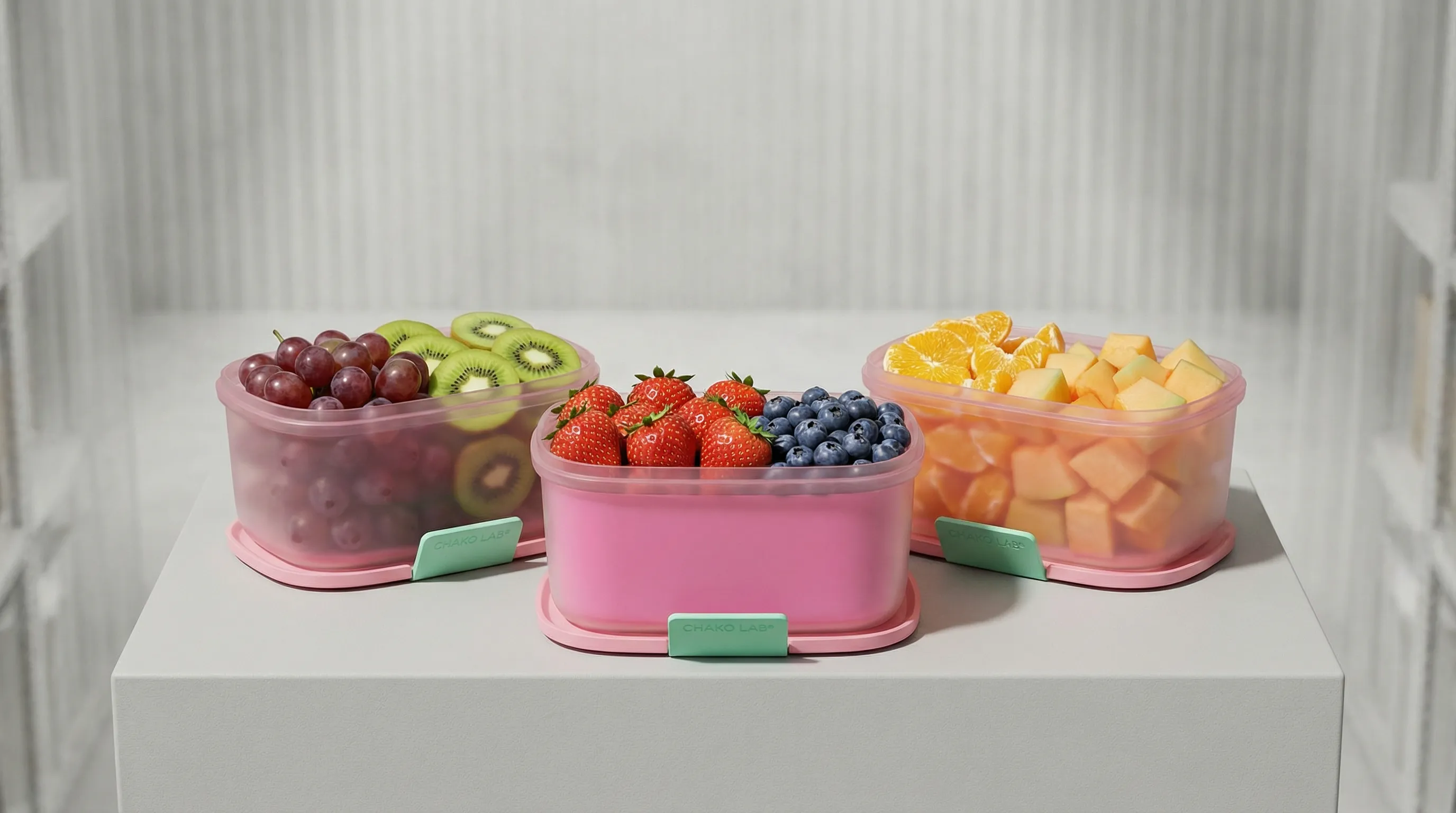
Fruit Box for Sale for Wholesale Retail and Reseller Planning
Compare wholesale-ready fruit box options with packaging specs, variant identifiers, and inventory status so your team can request quotes with fewer ordering errors.
Products
1 results
0 products shown
No products match these filters.
This collection is built for U.S. retailers and resellers who need a practical fruit box for sale workflow, not generic product copy. You can review wholesale-oriented options, shortlist items by operational fit, and move faster from browsing to quote-ready decisions.
The page is structured for business buying: product cards lead into detail pages where your team can validate presentation and packaging data before requesting volume. That helps buyers, merchandisers, and receiving teams work from the same product record.
If you manage one store or multiple locations, use this collection to compare formats, confirm inventory status published in the marketplace, and then continue to account signup to unlock pricing and place B2B orders.
What does Fruit Box for Sale for Wholesale Retail and Reseller Planning include?
Fruit Box for Sale for Wholesale Retail and Reseller Planning includes the active products shown in this catalog for retailers and resellers. Use the brand and availability filters to focus the assortment before opening a product.
How do retailers place a wholesale order?
Retailers order products from Fruit Box for Sale for Wholesale Retail and Reseller Planning by opening a PDP, choosing the physical variant and following the available purchase or request path. Read the B2B ordering guide for distributors.
Which MOQ and buying Program applies?
The MOQ, case pack and Program for Fruit Box for Sale for Wholesale Retail and Reseller Planning come from the current Offer rather than the collection name. Compare buying Programs .
How are fulfilment and shipping confirmed?
Fulfilment and shipping for Fruit Box for Sale for Wholesale Retail and Reseller Planning are confirmed from the active product and buying terms. Use current availability instead of historical inventory or supplier notes.
Build your core assortment with the Chakolab 600 ml line and 560 ml drain basket
If you are evaluating a fruit box for sale for retail programs, start with consistency before variety. The current catalog evidence points to one clear operating format: Chakolab Fruit Box 600 ml with a separate 560 ml drain basket and a matching fork, all in PP. That three-piece setup is useful for teams that prep cut fruit, hold moisture away from the product, and keep a uniform presentation across multiple shelves.
For store operators, this means fewer moving parts when training staff. Your team can use one container logic for packing, display, and refill checks, rather than mixing unrelated shapes that create handling errors. For buyers, the advantage is clearer reordering decisions. You can tie sell-through observations to one known format, then scale that same format where rotation is strongest.
This is where a fruit box sale wholesale page should help the business, not just fill search intent. A standardized 600 ml presentation gives you a practical baseline for testing speed of sale by location type, cooler space, and prep workflow. When one format performs, replenishment decisions become faster because you are not comparing unrelated pack structures.
A practical rollout method is to launch with a controlled mix by store profile, then review movement and handling notes after the first cycle. Keep the base format fixed while your team learns which locations need faster refills or tighter prep cadence. This keeps early buying decisions simple and makes your next quote request more precise.
Use package dimensions and master carton data to plan shelf and backroom flow
The available product evidence includes package dimensions of 15.7 x 10.5 x 8 cm and a master carton size of 49 x 33 x 41.5 cm. For a fruit box sale bulk purchase review, these two data points are operational, not decorative. The unit package size helps you map visible shelf density, while master carton dimensions support backroom slotting and receiving routines.
Many retailers overbuy first and solve storage later. A better sequence is to map facings, prep table space, and storage volume before quote submission. Use package and carton measures to estimate how many units your team can handle per replenishment cycle without forcing overflow, repacking, or rushed transfers between locations.
For multi-location buyers, this data is also useful for lane-level planning. One store may need tighter refill intervals with lower on-floor depth, while another can hold more back stock. By reviewing package and carton details on each PDP, you can align product flow to real store constraints and reduce preventable handling friction from day one.
When your receiving team and buying team share the same package and carton references, case-pack planning becomes easier to audit. You can flag mismatch quickly before placing a repeat order, especially when staffing changes at store level. This simple discipline reduces avoidable corrections and keeps replenishment cycles cleaner.
Build variant and reorder logic with SKU family E2H1F6OZTQ, E2H1F6OZU6, and E2H1F6OZUD
The collection context shows three variant SKUs tied to the same line: E2H1F6OZTQ, E2H1F6OZU6, and E2H1F6OZUD. That matters for a fruit box sale distributor workflow because distributors usually need repeatable SKU mapping across purchasing, receiving, and internal transfer reports. A clear SKU family lets your team compare movement by variant without losing format consistency.
For a fruit box sale supplier evaluation, focus on whether each variant supports your merchandising role by store profile. Some stores may prioritize visual consistency in display, while others can rotate variants based on buyer preference. Keep the format fixed, then adjust variant mix in small steps using weekly movement signals from your own channels.
If your operation runs both wholesale resale and direct retail replenishment, keep one shared SKU naming discipline between teams. That reduces mismatch during reorders and makes quote requests cleaner. It also helps avoid duplicate orders created by similar titles with different SKU endings, a common source of avoidable inventory noise.
Use product identifiers as a control layer during review. The listed UPC 6977505623390 can support internal verification when your team checks that the selected PDP, variant SKU, and receiving entry all reference the same item record. This is a small step, but it helps prevent catalog confusion during high-volume buying periods.
Run PDP verification on format, PP material, and live inventory before quote request
Use this collection as a decision gate, then verify each product detail page before you submit a quote. Start from the Fruit Box category, open target SKUs, and confirm the product facts that affect operations: presentation structure, material, dimensions, and listed inventory state. This keeps your buying process tied to published data instead of assumptions.
For search intent coverage, this page supports fruit box sale, fruit box sale in stock checks, and B2B comparison paths in one flow. The key is to treat availability as a live catalog status, not a permanent promise. If a SKU is moving quickly, refresh the PDP at buying time and align your request to the currently published inventory.
Before every repeat cycle, run a short review between store managers and buyers. Confirm which variant moved fastest, which location had handling friction, and which pack assumptions were inaccurate. Then place the next quote request with corrected SKU and pack choices. This prevents habit-based reorders that ignore current catalog signals.
Use this compact checklist before any first order or repeat cycle:
- Confirm capacity and format match your shelf plan (600 ml outer box, 560 ml drain basket)
- Confirm packaging measurements and master carton details on the PDP
- Confirm material fit for your handling process (PP components listed on the product)
- Confirm current inventory status at the moment you submit your quote
- Confirm which SKU variant your team is reordering to avoid substitution errors
- Check related demand signals in Badge Sales and Badge Trending for planning context
When your team follows this sequence, the collection works as a practical buying workspace for wholesale and reseller programs. It shortens decision time, reduces avoidable ordering mistakes, and keeps replenishment tied to real catalog evidence.
Frequently Asked Questions
What is the best way to plan MOQ risk when minimums vary by SKU?
Minimums are handled inside the marketplace quote and order flow, so treat each SKU as its own buying case. Use your store count and master-carton logic to define a pilot mix first, then submit a quote request for exact quantity confirmation before scaling.
Is this collection designed for distributor sourcing as well as retail wholesale buying?
Yes. The page covers supplier and distributor purchase intent for B2B teams that need repeatable sourcing. Shortlist by format, confirm SKU-level details on PDPs, and keep one shared item list across purchasing and receiving to reduce order mismatch.
Which product fields should my team verify before sending a quote request?
Check capacity, presentation format, material, package size, and master carton data on each PDP. For the current Chakolab line, confirm the 600 ml outer box, 560 ml drain basket, PP components, and identifiers (SKU/UPC) so merchandising and receiving reference the same product record.
How should we handle fruit box sale in stock checks for recurring orders?
Treat availability as a live catalog signal, not a fixed promise. Recheck status on the PDP when preparing each quote and again before reorder approval. For planning context, review Badge Sales and Badge Trending, then finalize based on the current product page.
Where can we get direct support if our team needs help with a large request?
Message WhatsApp or call Phone for direct assistance. If your buyers still need account access, start here: Create B2B account.
Ready to buy this collection at wholesale terms?
Unlock B2B Pricing and Submit Your Fruit Box Order RequestBefore submitting a quote, verify SKU, capacity, package dimensions, master carton details, and current inventory status directly on the product detail page in the Fruit Box category.
For recurring buying support, contact WhatsApp or call Phone.